Case Study 04
Payability's content strategy had proven that Amazon sellers searching for information about account level reserve were high-intent prospects. The next challenge was reaching sellers earlier in their journey — before they were frustrated enough to Google their missing payments, and through channels where they were already spending time learning about how to grow their Amazon businesses.
Two formats made sense for this. Influencer video placed Payability's message inside the trusted educational content that FBA sellers already consumed. Brand advertising reached sellers on premium platforms at scale, using a seller's story rather than a product explainer to make the brand stick.
The blog reached sellers at their moment of frustration. Video could reach them before that moment — and make Payability feel familiar when it arrived.
The influencer videos and the brand ad were doing different things and required different approaches to script and produce.
Influencer scripting lives or dies on one thing: whether the content sounds like the creator wrote it. That means studying how each person talks, what vocabulary they use, how they structure explanations, and where they typically bring in sponsored content — then writing something that fits that pattern closely enough to feel native while still hitting Payability's messaging requirements.
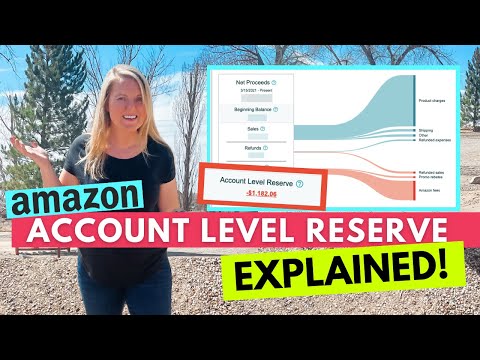
For the account level reserve videos in particular, the technical accuracy bar was high. FBA sellers are knowledgeable about their own payment cycles — they notice when an explainer gets something wrong, and it undermines both the creator's credibility and the brand's. The scripts had to be genuinely accurate about how reserves work, how the tiers function, and what Payability actually does, not a simplified version of the truth.
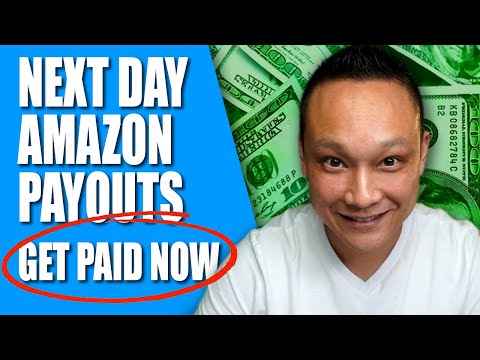
Both Crescent Kao and Nikki Kirk have audiences that overlap with exactly the sellers who were also finding Payability through the organic blog post — creating a reinforcing loop where the same prospect might encounter the brand through search, through a trusted educator, and through paid video across multiple touchpoints.
Spent time with each creator's existing content to understand their voice, format, and audience before writing anything. Briefs defined the messaging goals, required talking points, and any claims that needed to be accurate or avoided.
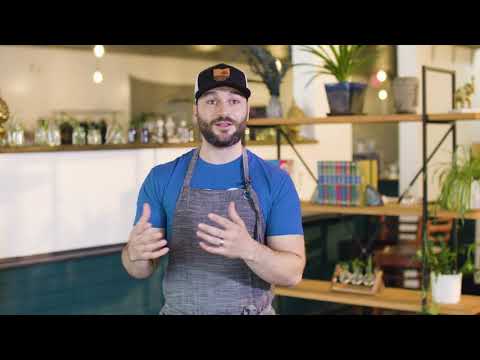
Wrote full scripts for the influencer videos, calibrated to each creator's natural speaking style. For the brand ad, developed the creative concept and narrative in collaboration with the outside production agency.
Iterated on scripts with internal stakeholders and the creators themselves. Influencer scripts in particular required back-and-forth to ensure the creator was comfortable delivering the content authentically in their own voice.
Managed production logistics for the influencer videos and served as the primary point of contact with the outside agency for the brand ad — reviewing edits, providing feedback, and ensuring the final product matched the brief.
Coordinated placement of the brand ad across YouTube, Hulu, and additional premium channels. The influencer videos published on each creator's own channel, distributed to their existing audiences.
The account level reserve was the right topic to own, and this campaign is what owning a topic across multiple formats actually looks like: one insight, three executions, each built for a different context and a different point in the funnel.
It also reflects that scripting, production, and creative direction belong in the content toolkit. Developing a brief, writing for a voice that isn't your own, managing an outside agency, shepherding a video from concept to distribution — that's a different set of muscles than blog writing, and worth showing.